
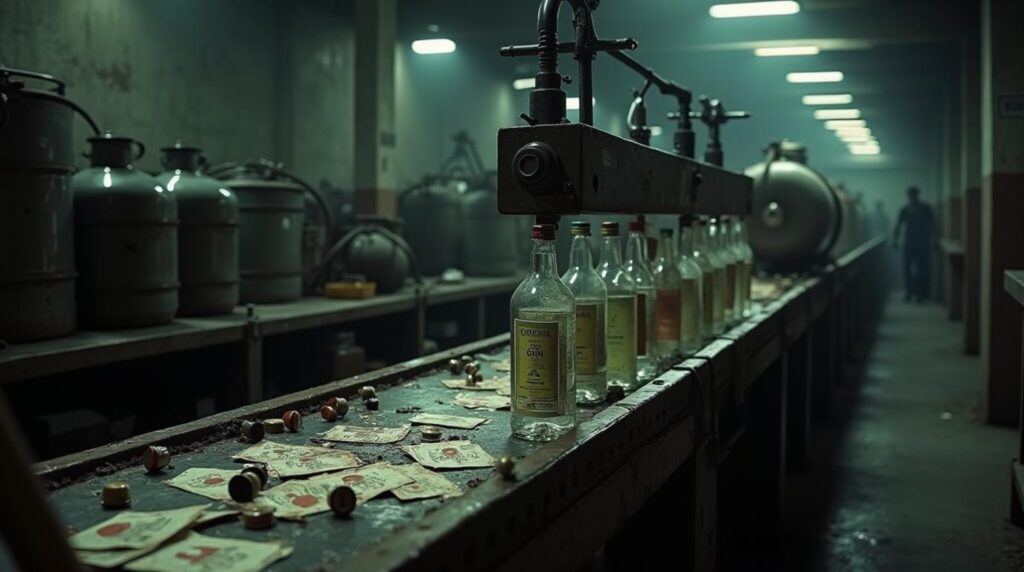
Law enforcement agencies have intensified their efforts, conducting nationwide raids and inspections. These operations have uncovered clandestine distilleries with industrial-scale production lines, complete with automated bottling equipment and large volumes of illicit materials, including counterfeit labels and tax seals. The illegal market operates through three primary channels: smuggling, which evades taxes and quality control; blatant counterfeiting, where low-quality alcohol is repackaged as premium brands; and clandestine manufacturing. This last method is the most perilous, often utilizing hazardous substances like methanol, which can be fatal.
This illicit trade has profound economic consequences, with an estimated R$28 billion in uncollected taxes, equivalent to 12% of the national health budget. Organized crime is heavily implicated, shifting its focus to domestic manufacturing as border controls on smuggling have tightened. In response to the growing crisis, Congress is pushing for stricter legislation, proposing to increase the prison sentence for beverage falsification from 4-8 years to 6-12 years.