
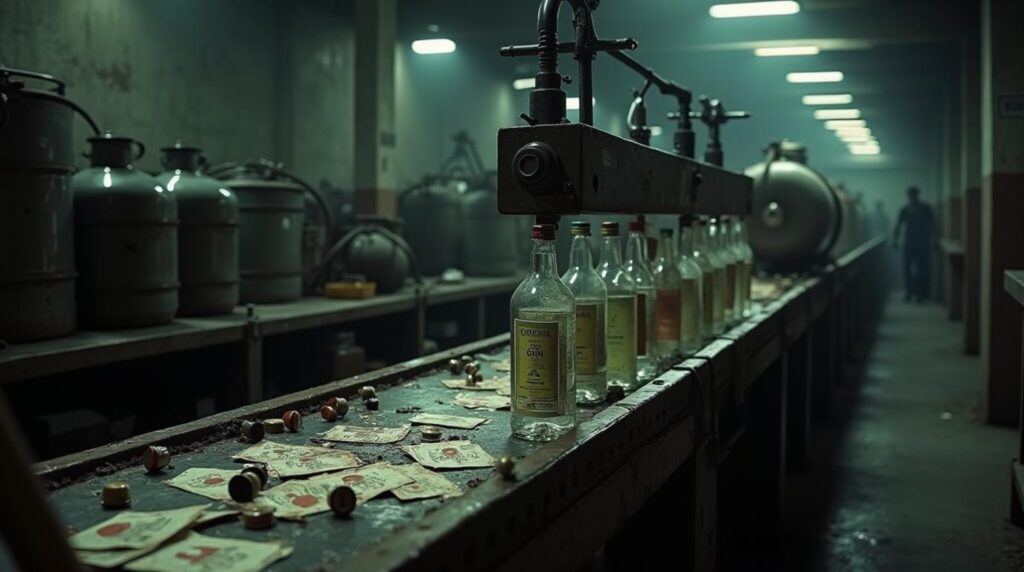
In response, police have launched numerous operations. They discovered a clandestine distillery in Jundiaí, equipped with vats, chemicals, and counterfeit seals, operating under the guise of a charcoal business. These operations reveal the three main ways illegal drinks reach consumers: smuggling original products without taxes, counterfeiting by bottling cheap liquor in premium brand bottles, and clandestine manufacturing. This last method is the most dangerous, as criminals mix industrial-grade alcohol and other substances, posing a severe health risk.
Experts estimate that one-third of the market is dominated by illegal products, causing huge tax losses. Price disparity is a major red flag for consumers; a bottle of imported gin can vary in price by up to 80%. Authorities are urging caution, advising consumers to avoid distilled spirits of unknown origin and to carefully inspect bottles for signs of tampering before purchase.
New Words:
1. Clandestine: Planned or done in secret, especially describing something that is not officially allowed.Example: The group held clandestine meetings to plan the protest.
2. Illicit: Not legal or disapproved of by society.
Example: The company was involved in the illicit trade of protected animal skins.
3. Fatalities: Deaths resulting from an accident or a disaster.
Example: The earthquake caused a large number of fatalities in the region.