
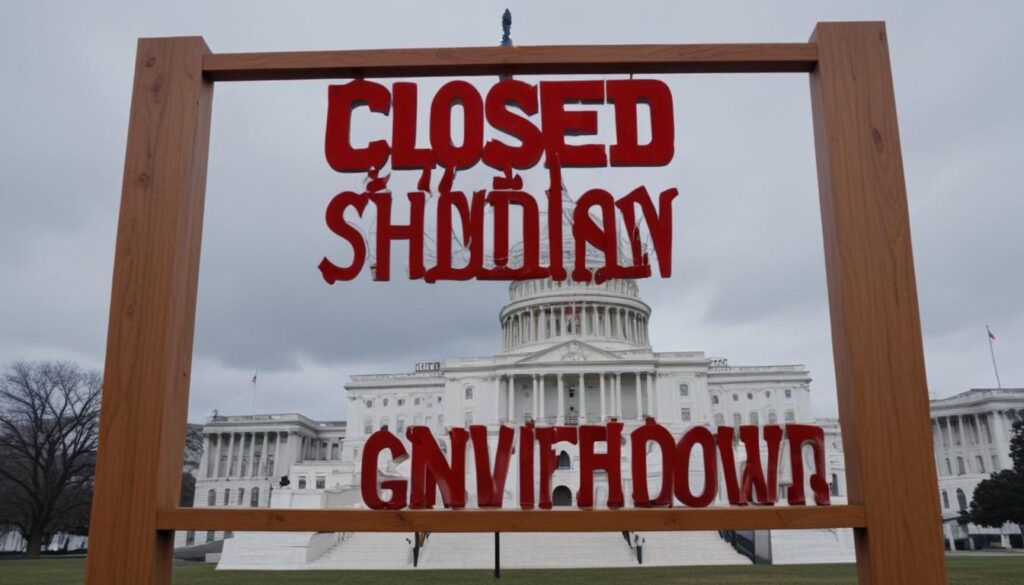
Upon a shutdown, federal agencies suspend all non-essential functions. This results in the furloughing of a significant portion of the federal workforce—often over 800,000 employees—who are placed on temporary, unpaid leave. While personnel deemed essential for national security and public safety continue their duties, they do so without immediate compensation. This distinction creates widespread disruption and financial uncertainty for many.
The economic repercussions are significant. Government contractors face payment delays, consumer confidence typically declines, and the overall economy can slow, especially during a prolonged shutdown. Public services from IRS tax assistance to new small business loan applications are suspended or severely limited. The shutdown persists until a legislative agreement—either a comprehensive budget or a temporary continuing resolution—is passed by Congress and signed by the President, resolving the political impasse.